
How to Sell Food Online: Complete Startup Guide
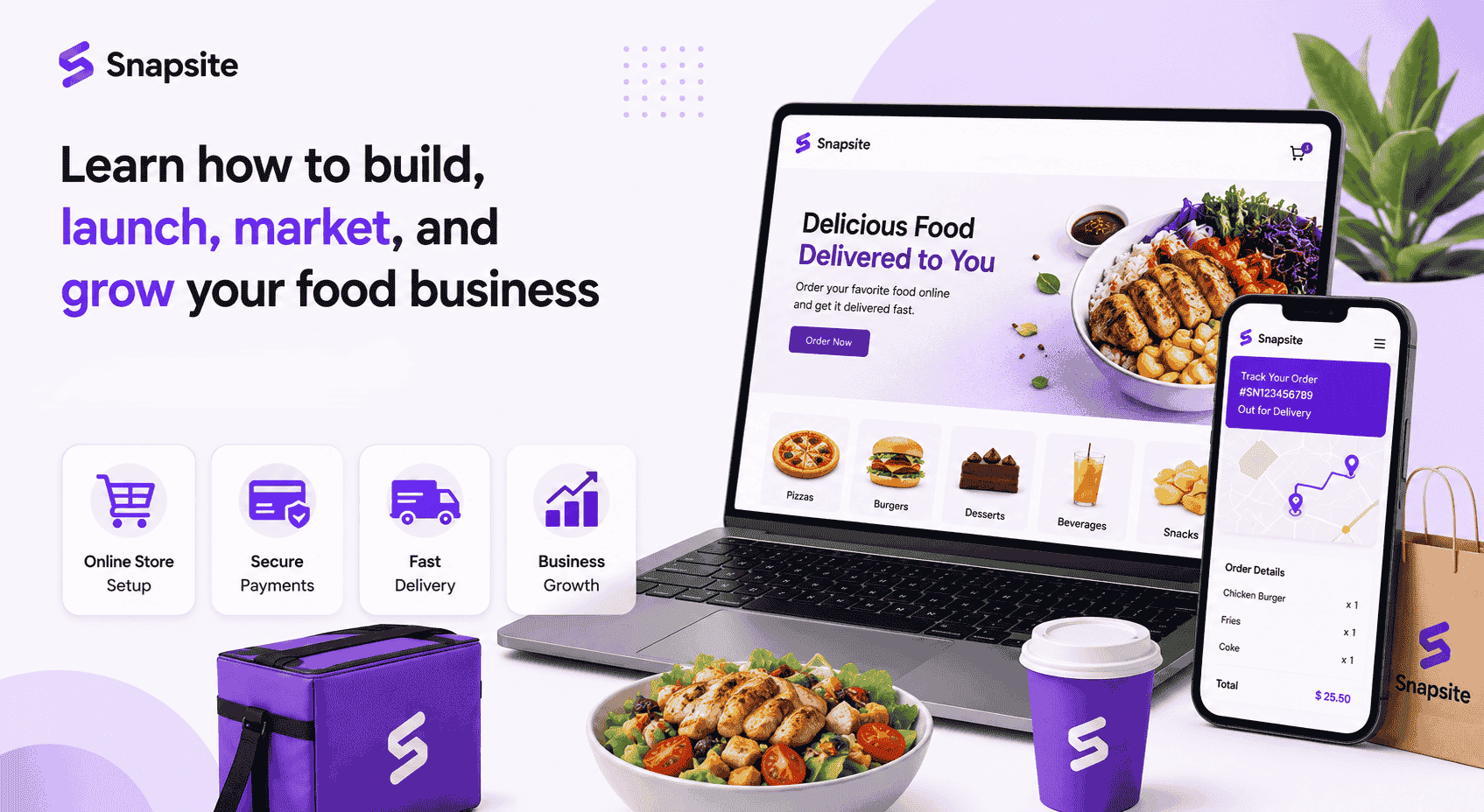
Learn how to build, launch, market, and grow your food business using ecommerce tools and modern delivery systems.
Research Food Laws
Before starting a food business, it is important to understand the legal requirements, food safety regulations, and licensing rules that apply in your region. Following the correct regulations helps businesses build customer trust, avoid legal issues, and operate more professionally.
Food businesses may need registrations, food safety certifications, business licenses, labeling compliance, and packaging standards depending on the products they sell and their location. Requirements can vary based on whether you sell homemade food, packaged products, baked goods, beverages, or specialty food items.
Understanding food handling practices, hygiene standards, ingredient disclosures, storage requirements, and delivery regulations is also essential for maintaining product quality and customer safety. Proper compliance helps businesses create a stronger brand reputation and improve long-term growth opportunities.
Taking time to research food laws before launching your business can help you avoid costly mistakes, prepare for future expansion, and build a food brand that customers can trust confidently.
Find Your Niche
Choosing the right niche is one of the most important decisions when starting a food business. A niche helps you target a specific customer group, build a unique brand identity, and stand out in a competitive food market.
Businesses can focus on categories such as bakery products, homemade snacks, beverages, healthy foods, organic products, regional specialties, frozen foods, desserts, or ready-to-eat meals depending on customer demand and market opportunities.
Before selecting a niche, research customer preferences, local demand, food trends, competitor offerings, and profit potential. Choosing a category that matches both market demand and your expertise can help create a stronger foundation for long-term business growth.
A clearly defined niche also makes marketing easier because businesses can create targeted content, attract the right audience, and build customer loyalty more effectively through their ecommerce store and social media channels.
Choose A Business Model
Selecting the right business model is an important step when starting a food business. Your business model determines how products are sourced, produced, marketed, and delivered to customers. The right approach depends on your budget, expertise, production capacity, and long-term business goals.
Many food entrepreneurs create and sell their own products, giving them complete control over recipes, ingredients, quality standards, and branding. This model is popular for bakeries, homemade snacks, specialty foods, desserts, and health-focused products.
Others choose to source products from manufacturers, wholesalers, or suppliers and focus on branding, marketing, and online sales. This approach can reduce production responsibilities and allow businesses to launch faster with a wider product selection.
Some businesses also combine both models by producing signature products while sourcing complementary items from trusted suppliers. Understanding the advantages, costs, and operational requirements of each model helps businesses choose a strategy that supports sustainable growth and profitability.
Source Ingredients
The quality of your food products depends heavily on the ingredients you use. Sourcing ingredients from reliable suppliers helps businesses maintain consistent taste, product quality, food safety standards, and customer satisfaction.
Look for trusted suppliers who can provide fresh ingredients, competitive pricing, reliable inventory availability, and consistent quality throughout the year. Building strong supplier relationships can also help businesses negotiate better pricing and ensure smoother operations as demand grows.
In addition to ingredients, businesses should carefully select packaging suppliers that offer food-safe, durable, and visually appealing packaging solutions. Good packaging helps protect products during delivery, improves shelf life, and strengthens brand presentation.
Before finalizing suppliers, compare quality, pricing, delivery timelines, certifications, and customer reviews. Testing ingredient samples and packaging materials can help ensure your food products meet customer expectations before launching them to the market.
Price Your Food Products
Setting the right price is essential for building a profitable and sustainable food business. Your pricing strategy should cover all operational expenses while remaining attractive and competitive for customers in your target market.
Before finalizing prices, calculate ingredient costs, packaging expenses, delivery charges, transaction fees, marketing costs, labor expenses, and other business overheads. Understanding your total cost per product helps ensure that every sale contributes to your overall profitability.
Food businesses should also consider product quality, portion size, local competition, customer expectations, and brand positioning when determining prices. Premium products with higher-quality ingredients, attractive packaging, or unique recipes can often command higher selling prices.
Many successful food brands also use bundle offers, seasonal promotions, coupon campaigns, and limited-time discounts to increase average order value and attract more customers without reducing profitability significantly.
A well-planned pricing strategy helps businesses maintain healthy profit margins, improve customer trust, support long-term growth, and create a stronger foundation for scaling their food business online.
Inventory Management
Effective inventory management is essential for maintaining product quality, reducing waste, and ensuring that customers can order products without availability issues. A well-organized inventory system helps food businesses operate more efficiently and improve overall customer satisfaction.
Businesses should regularly monitor ingredient stock, packaging materials, finished products, and raw materials to avoid shortages or overstocking. Keeping accurate inventory records helps ensure smoother production planning and reduces the risk of delays in order fulfillment.
Inventory management is especially important for food businesses because many ingredients have limited shelf lives and require proper storage conditions. Tracking stock levels and product availability helps reduce spoilage, control costs, and maintain consistent product quality.
As your business grows, inventory insights can help identify fast-selling products, seasonal demand patterns, and purchasing trends. This allows businesses to make better purchasing decisions, optimize stock levels, and improve overall operational efficiency.
Strong inventory management supports better customer experiences, improves profitability, reduces waste, and creates a more scalable foundation for long-term food business growth.
Product Development
Continuous product development helps food businesses stay competitive, attract new customers, and encourage repeat purchases. Successful food brands regularly improve existing products while introducing new options based on customer preferences and market trends.
Businesses should gather customer feedback, monitor product performance, and analyze purchasing patterns to identify opportunities for improvement. Small changes in recipes, ingredients, packaging, portion sizes, or presentation can significantly improve customer satisfaction and product appeal.
Expanding your food catalog with new flavors, seasonal products, limited-time offerings, healthy alternatives, or trending food items can help attract different customer segments and increase overall sales opportunities.
Before launching new products, test recipes carefully, evaluate ingredient costs, assess customer demand, and ensure consistent quality standards. Product testing helps reduce risks and improves the chances of a successful launch.
Strong product development allows businesses to adapt to changing consumer preferences, build stronger brand loyalty, increase average order value, and create long-term growth opportunities for their food business.
Set Up Shipping
A reliable shipping and delivery system is essential for providing a positive customer experience and ensuring food products reach customers safely and on time. Proper delivery planning helps businesses improve customer satisfaction, reduce operational issues, and build long-term trust.
Food businesses should establish clear shipping processes, delivery zones, packaging standards, and delivery timelines before accepting online orders. Choosing dependable delivery partners can help ensure products are handled properly throughout the fulfillment process.
Packaging plays a critical role in food delivery because it helps maintain freshness, product quality, temperature control, and overall presentation. Durable and food-safe packaging can also reduce damage during transportation and improve the customer experience.
Businesses should also plan delivery charges, minimum order requirements, free shipping offers, and regional delivery strategies carefully. Well-structured shipping policies can help improve conversions while maintaining healthy profit margins.
A smooth shipping system helps businesses deliver products more efficiently, encourage repeat purchases, improve customer loyalty, and support long-term growth in the competitive online food market.
Choose Sales Channels
Selecting the right sales channels is important for reaching more customers and growing your food business effectively. Modern food brands often use multiple sales channels to increase visibility, improve customer access, and create additional revenue opportunities.
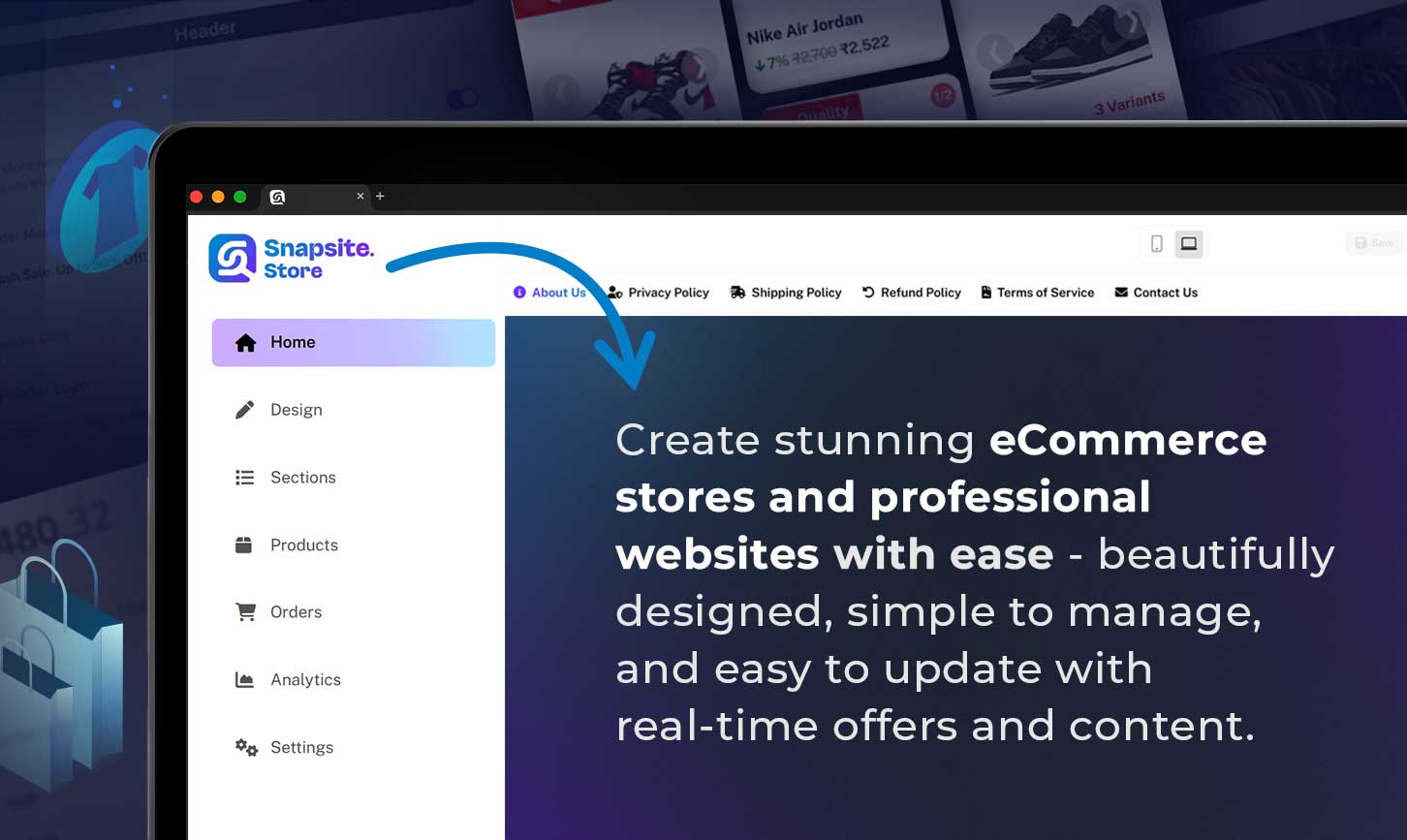
Your ecommerce website should serve as the primary sales channel because it gives you full control over branding, customer experience, product presentation, pricing, and marketing strategies. Platforms like Snapsite help businesses create professional online stores designed for food product sales and customer engagement.
Social media platforms such as Instagram, Facebook, YouTube, and WhatsApp can help businesses promote products, engage with customers, showcase food content, and drive traffic to their ecommerce store. Influencer collaborations, reels, and promotional campaigns can further increase brand visibility and sales.
Businesses can also expand their reach through online marketplaces, food delivery platforms, and local business directories depending on their products and target audience. Using multiple sales channels helps reduce dependency on a single source of traffic and creates more opportunities for customer acquisition.
A well-planned multi-channel strategy helps businesses increase brand awareness, attract more customers, improve sales performance, and build a stronger presence in the online food market.
Build Your Brand
A strong brand helps your food business stand out in a competitive market and creates a lasting impression on customers. Beyond great products, successful food brands focus on building trust, recognition, and memorable customer experiences that encourage repeat purchases.
Start by creating a professional brand identity that includes your business name, logo, color palette, packaging design, and brand messaging. Consistent branding across your ecommerce store, social media platforms, product packaging, and marketing materials helps customers recognize and remember your business.
Packaging also plays a major role in food branding. Attractive and food-safe packaging can improve product presentation, strengthen perceived value, and create a more professional customer experience during delivery and unboxing.
Modern food brands also focus on customer experience through product quality, responsive support, smooth ordering processes, and reliable delivery. Positive customer experiences help generate reviews, referrals, repeat orders, and long-term brand loyalty.
A well-built brand makes marketing more effective, increases customer trust, and creates a stronger foundation for growing your food business online through platforms like Snapsite.
Launch & Grow
Once your products, branding, and operations are ready, it is time to launch your food business and start reaching customers online. A successful launch combines quality products, professional branding, effective marketing, and reliable delivery systems to create a strong first impression.
Promote your food business through Instagram, Facebook, WhatsApp, YouTube, influencer collaborations, and local marketing campaigns. Social media content, food photography, customer reviews, and limited-time offers can help attract new customers and increase brand awareness.
Delivery plays a major role in food business growth. Fast delivery, proper packaging, accurate order management, and excellent customer service help improve customer satisfaction and encourage repeat purchases.
As your business grows, use analytics, customer feedback, and sales data to identify popular products, understand customer preferences, and improve marketing strategies. Expanding your product range, launching seasonal offers, and running promotional campaigns can help increase revenue and support long-term business growth.
With platforms like Snapsite, food businesses can manage products, orders, payments, delivery settings, coupon campaigns, customer reviews, and ecommerce analytics from one place while building a scalable online brand.
Build A Strong Food Brand
Focus on quality, customer experience, fast delivery, and consistent branding to grow your business online.